
The harmonies that shaped America’s soundtrack
Gospel Quartets Country Rock Roots Article
PEOPLE & STORIESJUNE 2026
Newman G Millhollon Turner
6/1/20264 min read
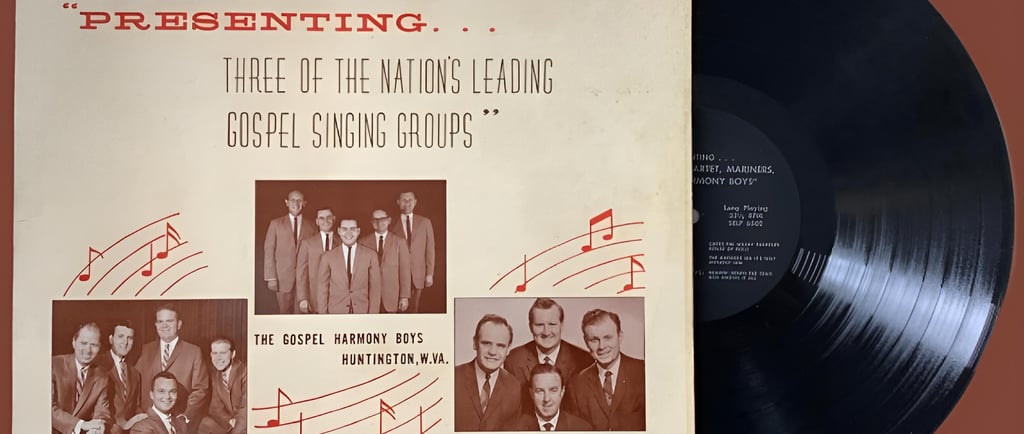
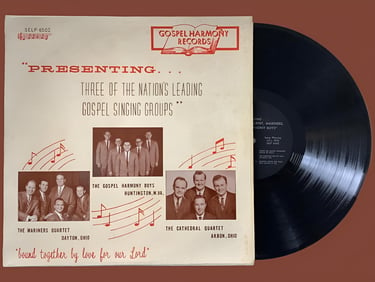
The Hidden Connection Between Gospel Quartets, Country Music, Early Rock and Roll, and even, RAP!
The harmonies that shaped America’s soundtrack
By Newman Millhollon Turner
I grew up listening to gospel quartets. Not just hearing them occasionally, I mean truly growing up around them.
The church my parents pastored in Ontario, California became part of the touring circuit for many traveling gospel groups. Back then, quartets traveled constantly from church to church, revival to revival, auditorium to auditorium, carrying harmonies, testimonies, laughter, stories, and a way of life that many people today barely remember.
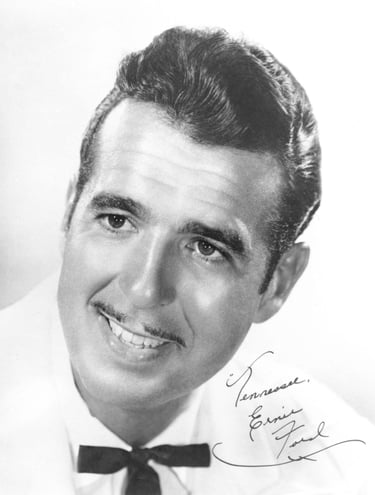
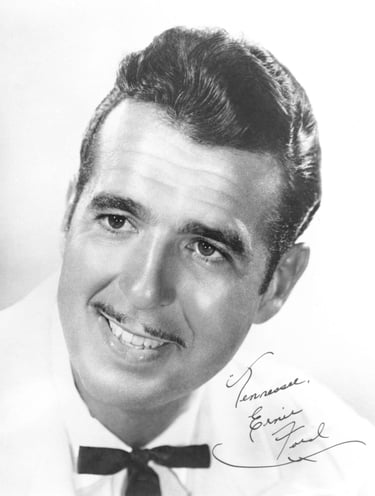
As a child, I had no idea I was standing in the middle of a living piece of American music history. I even met Tennessee Ernie Ford.
At the time, I only knew him as a famous singer with a warm personality and a powerful voice. But looking back now, I realize he represented something much bigger. He stood right at the intersection of gospel music, country music, folk traditions, television entertainment, and the early roots of rock and roll.
What many people do not realize is that the world of gospel quartets and mainstream music were deeply connected.
In fact, many gospel quartet singers performed backup vocals for country artists, early rock and roll performers, and major recording projects. The harmonies people associate with classic country music did not appear out of nowhere. Much of that sound was born inside churches.
The Sound Came From the Church
Once you hear it, you cannot unhear it. The layered harmonies. The deep bass vocals. The soaring tenor parts. The emotional build-ups. The call-and-response phrasing. The storytelling woven into music.
Those elements helped shape country music, bluegrass, folk music, and eventually rock and roll itself.
Artists like Elvis Presley, Johnny Cash, and many others grew up surrounded by church music. Even when they crossed into mainstream entertainment, they carried those gospel influences with them.
Groups like The Jordanaires became legendary partly because they bridged those worlds so naturally. They came from gospel quartet traditions and later became famous for backing Elvis Presley.
The Oak Ridge Boys followed similar pathways, moving between gospel roots and mainstream country success.
Back then, musicians all knew each other. The touring gospel circuit was almost like a parallel entertainment industry. Quartets traveled thousands of miles each year performing at:
• churches • camp meetings • gospel sings • conventions • radio broadcasts • revival services • community auditoriums
Because of that, artists crossed paths constantly. The same gifted singers who performed in church one weekend might be recording with country artists the next.
Harmony by Ear
One thing that made gospel quartet singers especially respected was their ability to harmonize by ear. Many had little formal musical training. But they could instantly lock into harmony parts with astonishing precision. They learned through repetition, constant touring, church singing, and pure musical instinct.
That level of discipline made them valuable not only in gospel music, but in professional recording studios as well. And unlike many modern productions built around technology and editing, those harmonies had to be real. People stood around one microphone together. They listened, adjusted, and blended.
The emotional power came from human connection.
Gospel Quartet Connection to RAP
One of the most fascinating discoveries for many people today is realizing that some early gospel quartets were doing vocal styles decades before modern rap music emerged.
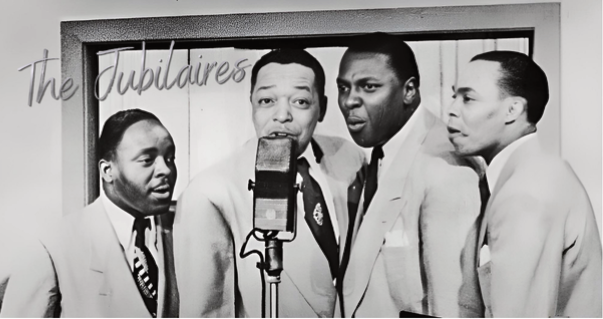
Groups like The Jubilaires, dating back to the 1930s and 1940s, used rhythmic spoken delivery, fast lyrical patterns, vocal percussion, storytelling, and syncopated phrasing that sound surprisingly modern to contemporary ears.
Songs like “Noah” especially catch people off guard because parts of the delivery feel remarkably similar to later rap and hip hop vocal styles.
Of course, it was rooted in gospel storytelling and spiritual performance rather than modern hip hop culture, but the rhythmic spoken tradition was already there.
It is another reminder that American music evolved through deep layers of shared influence, especially within Black church traditions, gospel harmonies, field songs, blues, jazz, and oral storytelling culture.
Long before rap became a recognized genre, artists like The Jubilaires were already demonstrating the power of rhythm-driven vocal storytelling inside gospel music.
More Than Music
Looking back, I realize that those gospel quartets were not simply entertainment. They carried culture, community, and emotional storytelling.
For many churches, especially smaller churches, those visiting groups brought excitement, encouragement, and connection to a much larger world.
And for children like me, they quietly planted something deeper.
A love for rhythm. A sensitivity to emotional pacing. An appreciation for storytelling. An understanding that music can move people long before they fully understand why.
Today, many people hear old country harmonies or early rock and roll vocals without realizing they are hearing echoes of church pews, revival tents, and traveling gospel quartets.
The roots run deeper as most people know. And honestly, I feel grateful that I got to experience even a small part of that world firsthand.
Read Featured Articles
You didn’t come this far to stop
Read stories, stay informed & get announcements
CONNECT, Share, Engage!!
© 2024-2026 All rights reserved.